
Understanding the Allure of Casinos
The allure of casinos lies in their vibrant atmosphere and the promise of excitement. The combination of flashing lights, engaging sounds, and the unpredictability of outcomes creates a sensory-rich environment that captivates players. When entering a casino, individuals often experience a rush of adrenaline, leading them to believe they might win big while enjoying some online pokies nz that add to the thrill. This sensation of potential reward triggers the brain’s pleasure centers, reinforcing their desire to continue playing. Such an environment is meticulously designed to keep players engaged and coming back for more.
Social interactions also play a significant role in attracting individuals to casinos. Many people are drawn to the communal experience of playing games alongside others, which can foster a sense of belonging and shared excitement. Whether it’s the camaraderie developed at a poker table or the collective anticipation surrounding a slot machine, these interactions enhance the thrill of gambling. This social dimension not only appeals to human instincts but also positions casinos as a social hub, further boosting their attractiveness.
Moreover, the thrill of risk-taking is an innate part of human psychology. Many individuals are naturally inclined to seek out experiences that involve uncertainty, as it heightens the emotional stakes. Casinos provide a controlled environment where these risks can be taken in a relatively safe manner. This balance between risk and reward taps into the human psyche’s fascination with gambling, making it a compelling activity that draws individuals back repeatedly. The fusion of excitement, social interaction, and risk-taking helps explain why casinos capture the imagination of so many.
The Role of Cognitive Biases in Gambling
Cognitive biases significantly influence player behavior in casinos, often leading to irrational decision-making. One common bias is the illusion of control, where players believe they can influence random outcomes, such as those in games of chance. For instance, a player might think that their choices in slot machines can impact the likelihood of winning, which fuels their persistence even in the face of losses. This illusion can lead to extended gambling sessions as players chase perceived control over randomness, often at a considerable financial cost.
The gambler’s fallacy is another prevalent cognitive bias that affects how players interpret results. This fallacy occurs when individuals believe that past events can influence future outcomes in games of chance. For example, if a roulette wheel lands on red several times in a row, a player might feel compelled to bet on black, assuming a win is due. Such misinterpretations can lead to repeated betting patterns that are not based on mathematical probabilities, ultimately resulting in more significant losses. Understanding these biases can help players recognize when they are acting against rational judgment.

Lastly, the concept of loss aversion plays a crucial role in a player’s decision-making process. Research shows that individuals tend to prefer avoiding losses over acquiring equivalent gains, which can lead to illogical behavior when gambling. A player who loses money might choose to continue betting in hopes of recouping their losses rather than walking away. This tendency to chase losses can lead to a downward spiral, where the desire to win back lost funds overshadows rational decision-making. Awareness of these biases can empower players to make more informed choices.
The Emotional Rollercoaster of Gambling
Gambling evokes a wide range of emotions, influencing player behavior and decision-making processes. The initial excitement of placing a bet is often followed by a euphoric high when wins occur. This emotional rollercoaster keeps players engaged, as anticipation builds and the stakes rise. However, this thrill can quickly turn into anxiety and frustration in the face of losses, which can lead individuals to make hasty decisions in an attempt to regain their former highs. The emotional intensity of gambling can create a powerful compulsion to continue playing, even when logic suggests otherwise.
The emotional highs and lows experienced during gambling also create a cycle of reinforcement. Winning produces feelings of excitement and achievement, while losing can lead to feelings of desperation. Players often rationalize their losses by focusing on past wins, creating a skewed perception of their overall gambling experience. This cycle perpetuates gambling behavior, as individuals become entrenched in the hope of experiencing that next big win, driving them to gamble more frequently. The emotional stakes involved are substantial and can lead to repeated gambling despite negative outcomes.
Additionally, the social dynamics of gambling can heighten the emotional stakes involved. Players often seek validation and recognition from their peers during their gambling experiences. Winning not only brings joy but also enhances their social status among fellow players. This quest for social approval can compound the emotional intensity of gambling, leading players to chase wins not just for financial gain, but for affirmation and esteem within their social circles. The interplay between emotions and gambling behavior underscores the complexities of this experience.
The Impact of Environment on Player Behavior
The design and layout of a casino significantly influence player behavior and choices. Casinos are strategically crafted to create an immersive environment that minimizes distractions and maximizes engagement. Features such as open layouts, comfortable seating, and enticing visuals draw players deeper into the gaming experience. When players feel physically comfortable and mentally absorbed, they are more likely to stay longer and gamble more, capitalizing on the carefully constructed ambiance. This attention to detail in design is crucial for maintaining player interest and extending playtime.
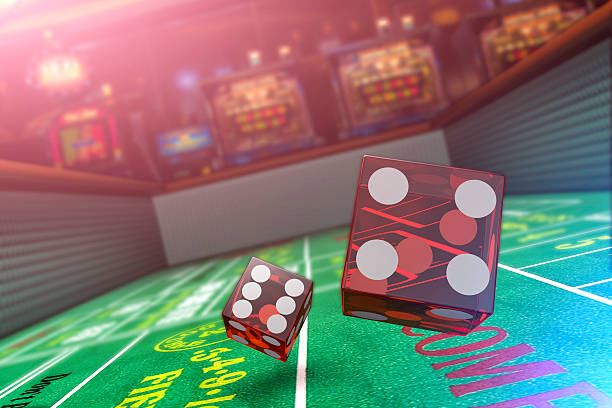
Another critical aspect of casino design is the use of sound and lighting. The auditory stimuli, from the clinking of coins to upbeat music, serve to enhance the overall excitement and thrill of the experience. These soundscapes can create a euphoric atmosphere that reinforces positive feelings associated with gaming. Coupled with strategic lighting that highlights winning machines, these elements work synergistically to attract players and maintain their interest over time. The sensory experiences created by these design choices play a pivotal role in shaping player behavior.
The presence of promotional offers and rewards systems also impacts player behavior. Many casinos provide loyalty programs that reward frequent players with bonuses, free play opportunities, or complimentary services. This approach encourages players to return and spend more, as they believe they are receiving value in exchange for their time and money. The psychological appeal of earning rewards further reinforces gambling tendencies, making the casino environment a key player in shaping behavior. The interplay between environment and psychology is essential for understanding gambling dynamics.
Understanding Responsible Gambling
As much as casinos are designed to entice players, it is vital to promote responsible gambling practices. Many casinos and organizations are now recognizing the importance of encouraging players to gamble within their limits. Responsible gambling initiatives often include providing information on self-exclusion programs, setting limits on betting, and offering resources for individuals who may experience gambling-related issues. These measures aim to balance the fun aspect of gambling with the potential risks involved, ensuring that players can enjoy their experience without crossing harmful boundaries.
Education plays a crucial role in promoting responsible gambling behaviors. Many players may not be fully aware of the psychological impacts of gambling, nor do they understand the odds associated with various games. Offering resources that help players comprehend these elements can empower them to make informed decisions and cultivate healthier gambling habits. For instance, understanding the concept of house edge can help players grasp the reality of their chances and avoid chasing unrealistic outcomes. Education is a fundamental aspect of fostering a culture of responsible gambling.
Promoting an environment that prioritizes responsible gambling not only benefits the players but also enhances the casino’s reputation. Establishing trust between the establishment and its patrons fosters a sense of community where individuals feel safe and supported. By embracing these responsible practices, casinos can contribute positively to the gaming industry while ensuring that the experience remains enjoyable without compromising player well-being. A commitment to responsible gambling can differentiate a casino in a competitive market and foster long-term relationships with patrons.
Recent Comments